
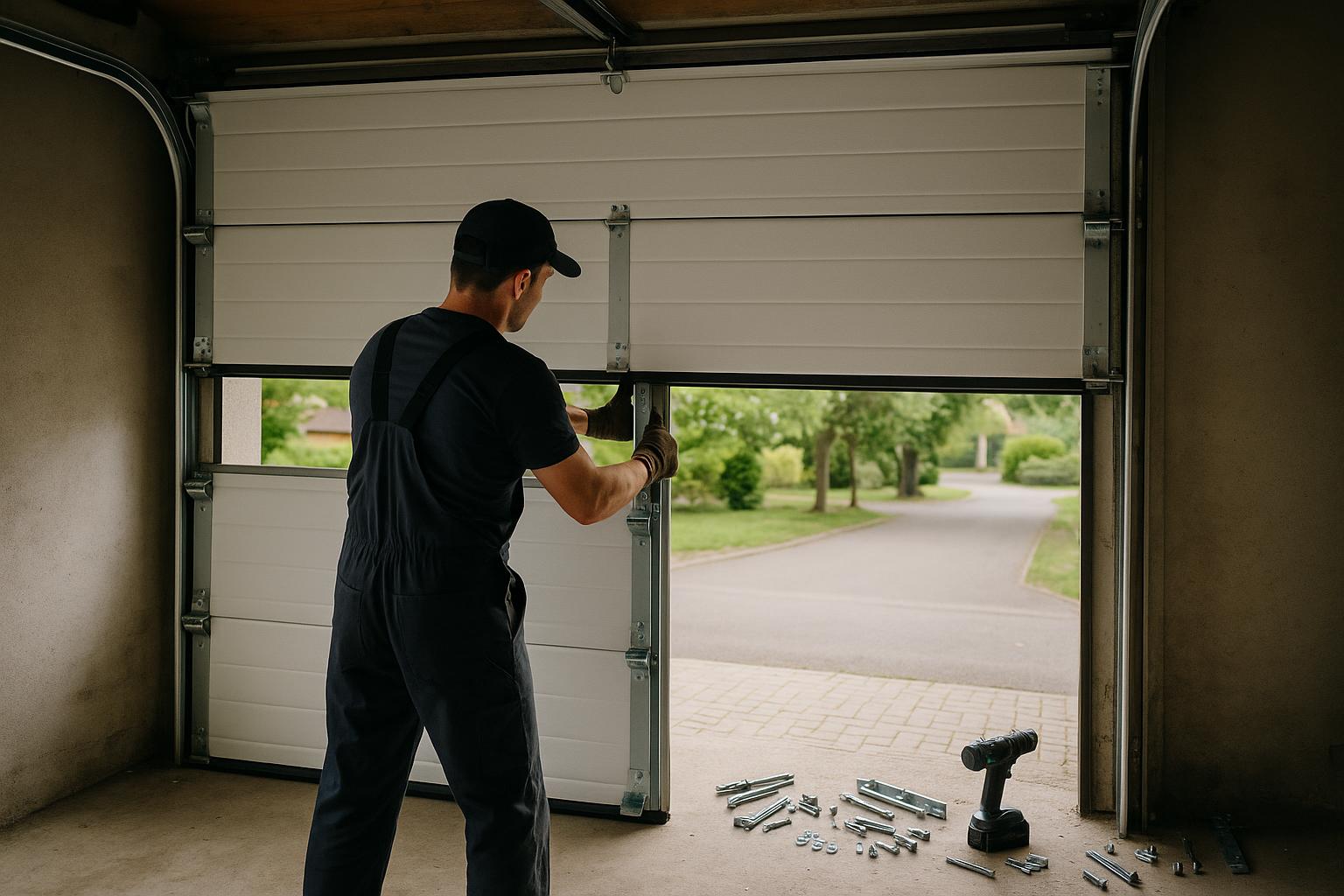
The Question Every Homeowner Asks Before Replacing a Garage Door
Whether your old garage door is dented, outdated, or barely functioning, the decision to replace it is a big one. And one of the first questions we hear from homeowners across Holland is simple: How long is this going to take?
It's a fair question. Your garage door is one of the most-used entry points in your home, and being without it — even for a few hours — can feel like a major disruption. The good news is that most residential garage door installations are faster than people expect. But the exact timeline depends on several factors, and understanding them upfront can help you plan your day and avoid surprises.
The Short Answer: Most Installations Take 3 to 6 Hours
For a standard single or double garage door replacement on an existing opening, most professional installations are completed in roughly three to six hours. That includes removing the old door, installing the new one, setting up the opener (if you're replacing that too), and testing everything to make sure it operates safely and smoothly.
If you're only replacing the door itself and keeping your existing opener, the job can sometimes be done in as little as two to three hours. On the other hand, if there are complications — like a non-standard opening, structural repairs, or a complete system overhaul — it could stretch closer to a full day.
Factors That Affect Installation Time
No two garage door installations are exactly alike. Here are the most common variables that influence how long yours will take.
1. Single Door vs. Double Door
A single-car garage door is naturally quicker to install than a double-wide door. Double doors are heavier, have more panels, and require more precise balancing. If you have a two-car garage with two separate single doors, expect the job to take longer than a single opening but not necessarily twice as long, since the installer is already set up and working.
2. Removing the Old Door
Before the new door goes up, the old one has to come down. If your existing door is in rough shape — rusted tracks, seized rollers, or a torsion spring under heavy tension — removal can take extra time and care. Safety is the priority here, especially when dealing with springs that are still loaded.
3. Replacing the Opener
Many homeowners choose to install a new garage door opener at the same time as their new door, and that's usually a smart move. A new opener paired with a new door ensures everything is compatible and calibrated correctly. However, adding an opener installation does add roughly one to two hours to the total job.
4. The Type of Door You Choose
Not all garage doors are created equal. A basic steel raised-panel door installs relatively quickly. A carriage-style door with decorative hardware, a door with windows, or an insulated door with multiple layers may require additional steps during installation. Custom or specialty doors can also take longer if they need on-site adjustments.
5. Condition of the Existing Opening
If your garage opening is square, level, and in good structural condition, the installation will go smoothly. But older homes in Holland — especially those that have settled over the decades — sometimes have openings that are slightly out of square. In those cases, the installer may need to make adjustments to the tracks, weatherstripping, or framing to ensure a proper fit and seal.
6. Weather Conditions
Here in West Michigan, weather can be unpredictable. While most garage door installations happen from inside the garage, extreme cold, heavy rain, or high winds can slow things down, particularly during the removal and mounting phases. If you're scheduling an installation during the colder months, keep in mind that the crew may need a bit of extra time.
What the Installation Process Actually Looks Like
If you've never had a garage door installed before, here's a general overview of what to expect on installation day:
- Arrival and setup: The installation crew arrives, reviews the job, and sets up their tools and workspace.
- Old door removal: The existing door, tracks, and hardware are carefully taken down. Springs are safely released and removed.
- Track and hardware installation: New tracks, brackets, and mounting hardware are installed and leveled.
- Door panel assembly: The new door panels are stacked and connected section by section, starting from the bottom.
- Spring and cable installation: New torsion or extension springs are installed and tensioned to balance the door's weight.
- Opener installation (if applicable): The motor unit is mounted, the rail is assembled, and the opener is connected to the door and programmed.
- Testing and adjustments: The door is cycled multiple times to check balance, alignment, safety sensors, and auto-reverse functionality.
- Cleanup and walkthrough: The crew cleans up, removes the old door, and walks you through the operation of your new system.
Can You Use Your Garage During Installation?
Plan on your garage being out of commission for the duration of the installation. You won't be able to park inside or access the garage through the door opening while the work is being done. If you need to get your car out, make sure it's moved before the crew starts. Most homeowners in Holland find it easiest to park in the driveway or on the street for the morning.
Tips for a Smooth Installation Day
- Clear the area: Move bikes, tools, storage bins, and anything else away from the garage door opening and the ceiling area near the tracks. The crew needs room to work safely.
- Confirm your door choice ahead of time: Make sure the door style, color, and any add-ons like windows or insulation are finalized before installation day. Changes on-site can cause delays.
- Ask about disposal: Most professional installers will haul away your old door as part of the service, but it's worth confirming in advance.
- Be available: You don't need to hover, but being home or reachable by phone is helpful in case the crew has questions or needs to show you something.
Why Professional Installation Matters
It might be tempting to treat a garage door installation as a weekend DIY project, but this is one job where professional experience makes a real difference. Garage doors are heavy — a standard double door can weigh over 200 pounds — and the springs used to counterbalance that weight are under extreme tension. Improper installation can lead to serious injury, premature wear, or a door that doesn't seal or operate correctly.
A trained installer gets the balance right, ensures the safety features work as intended, and stands behind the work. For homeowners in Holland, Zeeland, Grand Haven, Saugatuck, and the surrounding lakeshore communities, having a local team that knows the area and can follow up quickly if needed is a real advantage.
Ready to Schedule Your Installation?
If you're thinking about replacing your garage door, the process is more straightforward than most people expect. At Holland Garage Door Pro, we handle everything from helping you choose the right door to completing a clean, professional installation — usually in a single visit. Give us a call to get a quote and find a time that works for your schedule.