
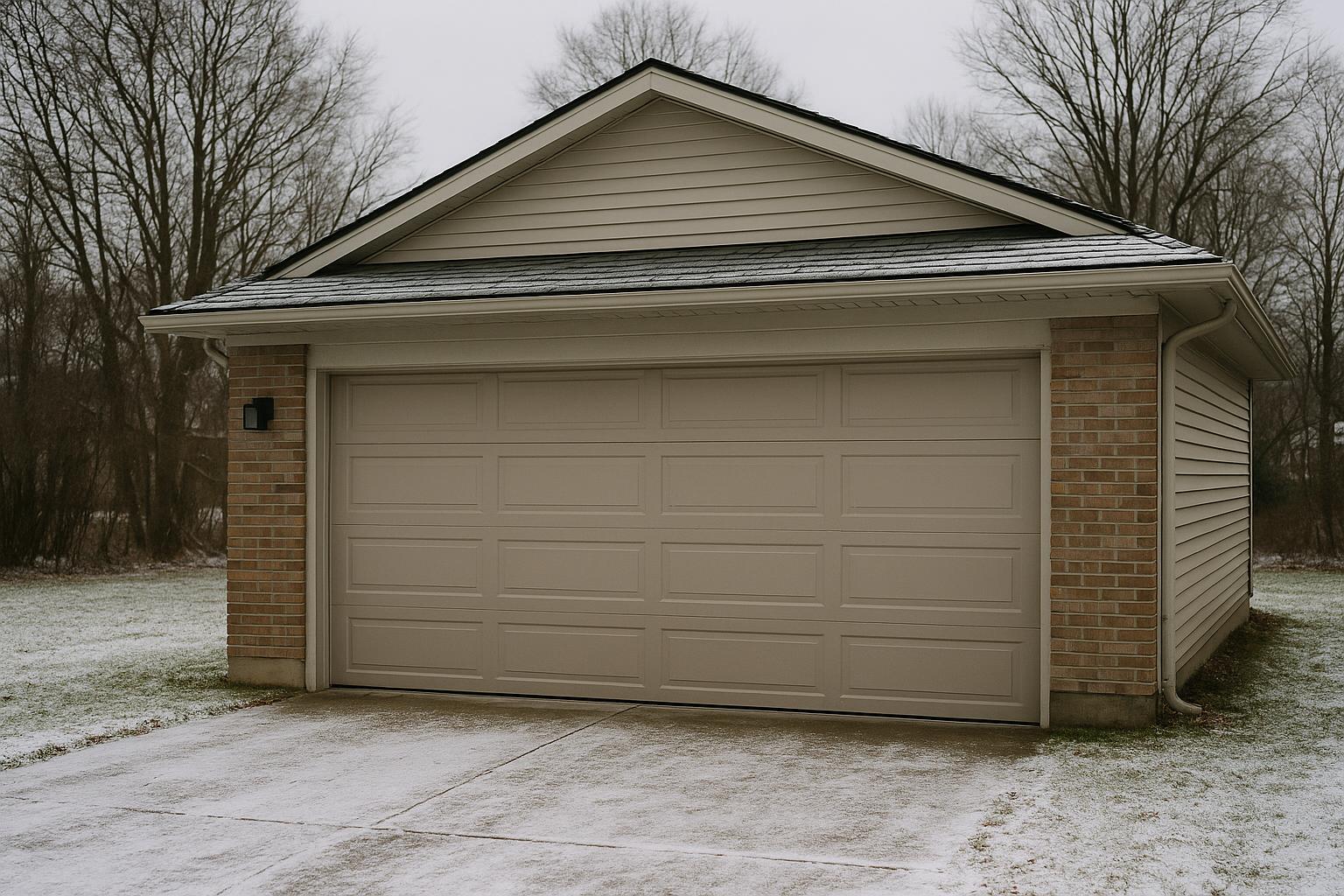
Winter Is Hard on Garage Doors — Here's How to Get Ahead of It
If you've lived in Holland, MI for even one winter, you know what Lake Michigan can throw at us. Freezing temperatures, heavy snow, ice storms, and bitter wind all take a toll — not just on your car and your driveway, but on your garage door too.
Your garage door is the largest moving part of your home, and it's directly exposed to the elements. When temperatures drop below freezing, metal contracts, lubricant thickens, weatherstripping stiffens, and mechanical parts are put under extra strain. The result? Doors that stick, springs that snap, openers that struggle, and energy bills that climb.
The good news is that a little preparation goes a long way. Here's a practical guide to winterizing your garage door so it stays reliable from the first frost through the spring thaw.
1. Inspect and Replace Worn Weatherstripping
The rubber weatherstripping along the bottom of your garage door and around the frame creates a seal that keeps cold air, snow, and moisture out of your garage. Over time, this material cracks, hardens, and pulls away — especially after repeated freeze-thaw cycles.
Walk around the perimeter of your closed garage door and look for gaps, cracks, or sections where the seal no longer makes contact with the ground or frame. If daylight is visible from inside your garage, it's time for a replacement.
New weatherstripping is relatively inexpensive and makes a noticeable difference in keeping your garage warmer. This is especially important if your garage is attached to your home, since a poorly sealed garage door can drive up your heating costs significantly.
2. Lubricate All Moving Parts
Cold weather causes lubricant to thicken, which means the rollers, hinges, tracks, and springs on your garage door have to work harder. This extra friction accelerates wear and can make your door noisy, sluggish, or jerky in its movement.
Before winter sets in, apply a silicone-based or lithium-based garage door lubricant to the following components:
- Hinges — Apply lubricant to the pivot points where the hinge bends.
- Rollers — Lubricate the bearings on each roller (skip this if you have sealed nylon rollers).
- Springs — Lightly coat the torsion springs above the door to reduce friction and prevent corrosion.
- Tracks — Wipe the tracks clean but avoid heavy lubrication, which can attract dirt and cause buildup.
- Lock mechanism — If your door has a manual lock, lubricate the keyhole and latch.
Avoid using WD-40 as a long-term lubricant. While it's great for loosening stuck parts, it evaporates quickly and doesn't provide lasting protection against cold-weather friction.
3. Test the Balance of Your Door
A properly balanced garage door should stay in place when you lift it manually to about waist height and let go. If it falls quickly or rises on its own, the springs are out of balance.
An unbalanced door forces your opener to work harder, which shortens its lifespan and increases the risk of a breakdown on the coldest day of the year — when you need your garage door the most.
Important: Do not attempt to adjust garage door springs yourself. Torsion springs are under extreme tension and can cause serious injury if handled improperly. If your door fails the balance test, call a professional for a spring adjustment or replacement.
4. Check Your Garage Door Opener
Your garage door opener is an electromechanical device, and cold temperatures can affect its performance. Before winter, test your opener by running the door through several full open-and-close cycles. Listen for unusual grinding, clicking, or hesitation.
Also check the following:
- Battery backup — If your opener has a battery backup, test it and replace the battery if it's more than two years old. Winter storms in Holland can knock out power, and a dead backup battery means you're stuck.
- Remote batteries — Cold drains batteries faster. Replace the batteries in your remote controls and keypad before the season starts.
- Safety sensors — Make sure the photo-eye sensors at the bottom of the door frame are aligned and clean. Snow, ice, and salt spray can obstruct them.
5. Inspect the Door Panels for Damage
Cracked, dented, or warped panels aren't just a cosmetic issue — they compromise the insulation and structural integrity of your garage door. A damaged panel can let cold air and moisture seep in, and in severe cases, it can cause the door to bind or come off its tracks.
If you notice panel damage, it's worth getting it assessed before winter. In some cases, individual panels can be replaced without needing a full door replacement. A professional can tell you the most cost-effective option for your situation.
6. Clear the Tracks and Remove Debris
Leaves, dirt, cobwebs, and small debris can accumulate in your garage door tracks during fall. When winter arrives, moisture and freezing temperatures can turn that debris into a blockage that prevents your door from opening or closing smoothly.
Use a damp cloth to wipe down the inside of both tracks. Check for dents or bends in the track as well — even a small misalignment can cause problems when metal contracts in the cold.
7. Consider Insulation If Your Garage Isn't Insulated
Many older homes in Holland and the surrounding lakeshore communities like Zeeland, Saugatuck, and Grand Haven have uninsulated garage doors. If your garage feels like a walk-in freezer during January, upgrading to an insulated garage door can make a dramatic difference.
Insulated garage doors help in several ways:
- They keep your garage warmer, which protects vehicles, tools, and stored items from extreme cold.
- They reduce energy loss if your garage is attached to your home.
- They tend to be quieter and more durable than single-layer steel doors.
- They add curb appeal and can increase your home's resale value.
If a full door replacement isn't in the budget, aftermarket insulation kits can be installed on your existing door panels. While not as effective as a factory-insulated door, they still provide a noticeable improvement.
8. Prevent the Door from Freezing to the Ground
One of the most common winter garage door problems in Michigan is the door freezing to the ground. When snow melts and refreezes along the bottom seal, it can bond the door to the concrete. Forcing the door open in this condition can tear the weatherstripping, damage the opener, or even pull the door off its tracks.
To prevent this:
- Keep the area along the bottom of the door clear of snow and ice.
- Apply a thin layer of cooking spray or silicone spray to the bottom seal to reduce adhesion.
- If the door does freeze, use a heat gun or pour warm (not boiling) water along the seal to gently break it free.
When to Call a Professional
Many of these winterization steps are simple enough for a handy homeowner to handle. But if you notice broken springs, a visibly unbalanced door, damaged tracks, or an opener that's struggling, it's time to bring in a pro.
At Holland Garage Door Pro, we help homeowners across Holland, Zeeland, Grand Haven, Hamilton, Saugatuck, and Douglas get their garage doors ready for whatever winter brings. Whether you need a quick tune-up, a spring replacement, or a full insulated door installation, we show up on time and get it done right.
Don't wait until you're stuck in your garage on a 10-degree morning. A little preparation now saves you time, money, and frustration all winter long. Give us a call to schedule your pre-winter garage door inspection today.